E-Commerce Supply Chain Resilience
Examining the necessary transition from fragile just-in-time logistics to structurally sound, diversified fulfillment models.
The fundamental premise of e-commerce operations underwent a profound stress test over recent economic cycles. The previously dominant model—highly leveraged just-in-time (JIT) manufacturing reliant on single-point overseas suppliers—proved catastrophic when faced with systemic bottlenecks. Operators are now recalibrating their infrastructure to prioritize supply chain resilience over pure short-term cost efficiency.
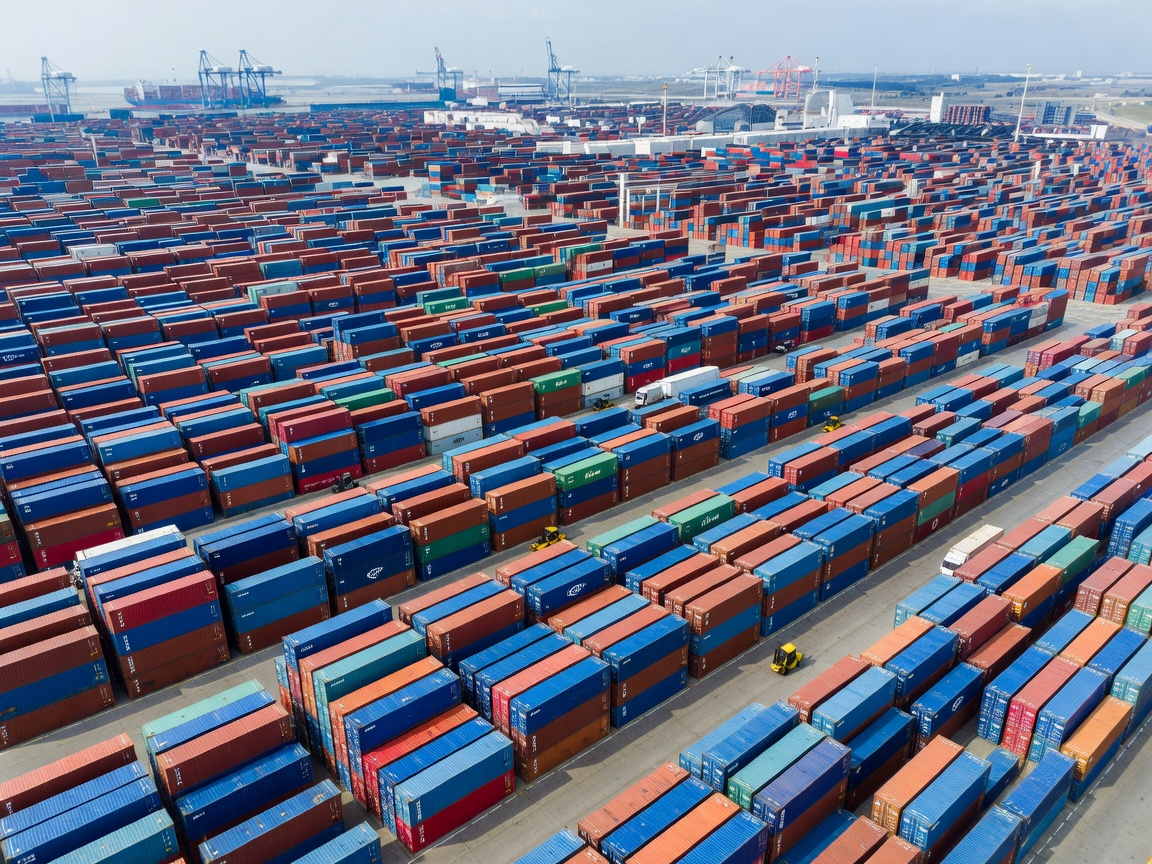
The Cost of Fragility
In traditional operational theory, inventory holding costs are viewed as a drag on working capital. E-commerce merchants historically optimized for minimal buffer stock, relying on predictable, low-cost freight from manufacturing hubs to domestic fulfillment centers. However, when predictability degrades, the opportunity cost of stockouts drastically outweighs the storage costs of buffer inventory.
Customer acquisition costs (CAC) continue to rise across almost all digital channels. When a brand spends heavily to acquire traffic but fails to convert due to out-of-stock items, the marketing expenditure yields negative returns. Thus, inventory availability has shifted from a back-office logistics concern to a frontline revenue and marketing efficiency imperative.
Strategic Fulfillment Models
Modern digitally native brands are increasingly categorizing their product catalogs by velocity and margin profiles to dictate their supply chain approach. A one-size-fits-all manufacturing and fulfillment strategy is rarely optimal at scale.
1. Near-Shoring vs. Off-Shoring
While off-shore manufacturing generally maintains lower unit costs, near-shoring (moving production closer to the end consumer) reduces transit times from months to weeks. Brands are adopting hybrid approaches: manufacturing high-margin, consistent evergreen products off-shore to maximize profitability, while utilizing near-shore facilities for volatile, trend-driven items that require rapid replenishment.
2. Third-Party Logistics (3PL) Network Distribution
Relying on a single centralized warehouse creates a geographical point of failure and artificially inflates last-mile shipping costs to distant postal zones. Distributing inventory across multiple strategically located 3PL facilities allows brands to offer faster delivery times (comparable to massive enterprise competitors) while reducing parcel carrier zone charges.
Comparative Strategy Breakdown
| Strategy | Primary Advantage | Inherent Challenge | Ideal Application |
|---|---|---|---|
| Centralized Fulfillment | Lower overhead, simplified inventory counts | High last-mile shipping costs, slower delivery | High-ticket, low-volume specialist items |
| Distributed 3PLs | Rapid delivery, reduced zone skipping costs | Complex inventory balancing, fragmented stock | High-volume, standardized FMCG products |
| Drop-shipping | Zero inventory holding cost, infinite aisle | Loss of quality control, disjointed brand experience | Market testing, complementary accessory lines |
Technological Infrastructure
Implementing a distributed model requires robust digital architecture. The transition from monolithic platforms to microservices and headless commerce allows operators to integrate sophisticated Order Management Systems (OMS) and Enterprise Resource Planning (ERP) software. An effective OMS dynamically routes orders to the warehouse closest to the customer, calculates split-shipment viability, and synchronizes real-time inventory levels across digital storefronts to prevent overselling.
Conclusion
The era of hyper-optimized, single-threaded e-commerce logistics has ended. Structural resilience—achieved through supplier diversification, multi-node fulfillment, and advanced inventory forecasting—is now the baseline requirement for sustained scale. Operators who view their supply chain as a strategic asset rather than merely a cost center will capture market share when competitors inevitably face operational friction.